Arts & Culture
Your night at the opera?
A former VCU Opera director and alumna help us better appreciate a 400-year-old art form
In The Recommendation, members of the VCU community share something they love. Here, a former director and an alum of VCU’s opera program share how you can learn to appreciate the 400-year-old art form — or at least not embarrass yourself if you’re invited to go.
The stereotype that opera appeals only to the cultured elite is tenacious. It’s fair (and admittedly corny) to say it stalks the genre as fervently as Don Giovanni pursues attractive young women.
Now is the time for that belief to suffer the same fate as Mozart’s womanizing nobleman. Spoiler alert: He’s engulfed in flames at the end of Act II.
If opera is only for the upper echelon, why is it relatively affordable? Tickets for the Virginia Opera’s fall performance of “Cinderella” started at $20; tickets for the Richmond fall premiere of the Broadway musical “Kimberly Akimbo” started at $53.
Yet opera still seems less approachable than its storytelling-through-song cousin.
That’s a shame, because the genre rewards those willing to try it.
“Opera is a synthesis of all the art forms in existence. You not only have the music, the singers, the orchestra and the composition itself; you have the literature, scenic design, costume design and lighting design,” says Melanie Kohn Day, director of VCU Opera for 40 of the program’s 75 years. “And the stories, oh my gosh. You have exciting stories, interesting stories, historically important stories, stories that are incredibly emotional.”
There is something, in other words, for everyone. That’s why opera is still performed on stages all over the world, more than four centuries after Florentine writers and musicians birthed the art form to retell Greek dramas through song.
For the first 200 years, the libretto, or text, was typically written in Italian to honor the genre’s origins. Opera evolved as composers and librettists started telling stories about the contemporary human experience and then began using their native languages.
New shows are still taking the stage. “Blue” for instance, premiered in 2019 with an English-language story of a Harlem family devastated by police violence.
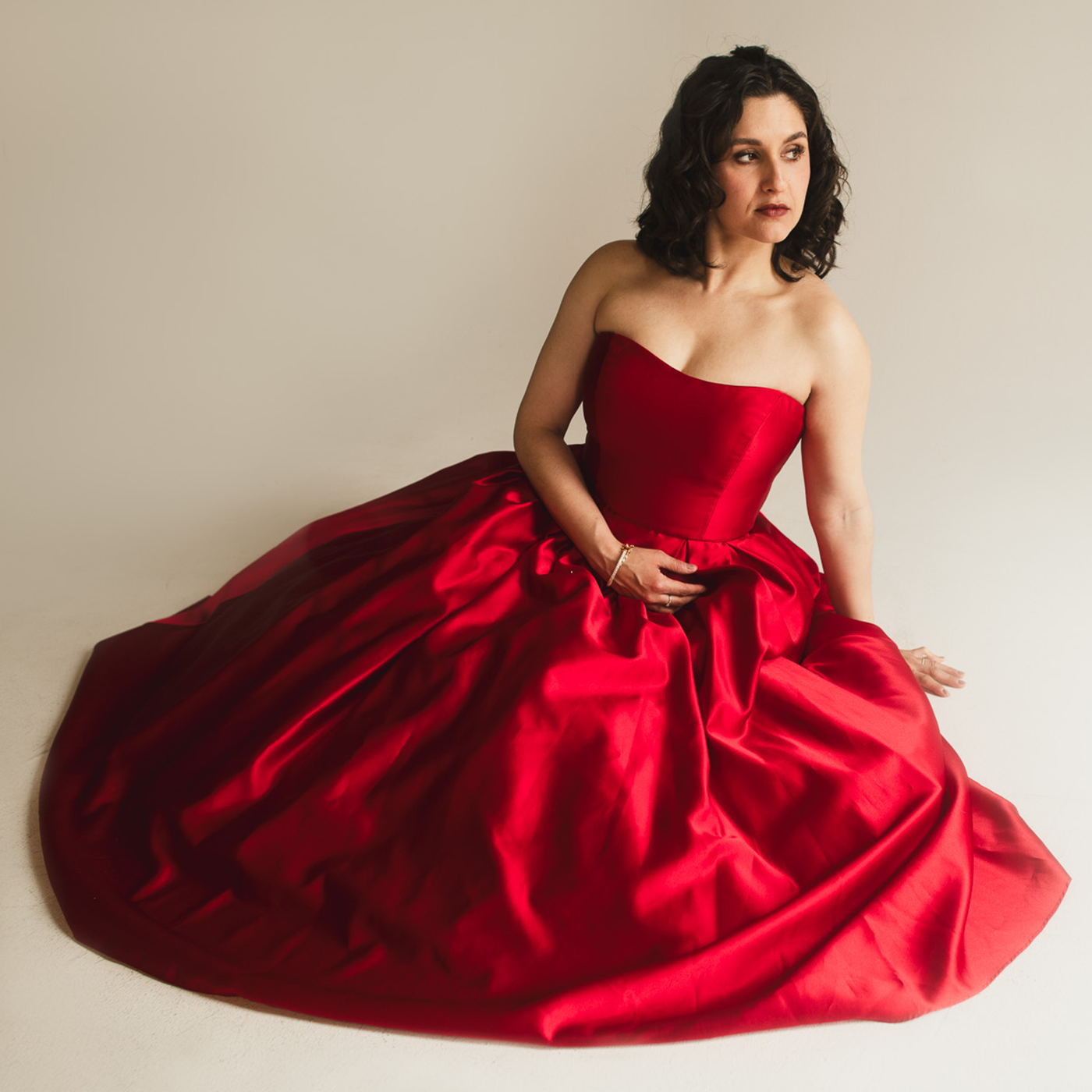
If you’re intimidated by opera but would like to give it a shot, read on. Day and Tess Ottinger (B.M.’16, B.M.’17), a performer, voice teacher and recipient of the Metropolitan Opera’s Encouragement Award, can help you become an aficionado.
Start with a show that’s easy to understand. Ottinger recommends newbies watch Mozart’s “Marriage of Figaro,” known for being funny and fast-moving. “Opera started for royalty and often depicted gods,” she says. “This is one of the first operas that features servants as its main characters, so it feels more accessible.” Day also recommends “Figaro,” along with stories audiences already know, like “Hansel and Gretel” or “Cinderella.”
Do some research. Operas can be complex and are typically performed in their original language, so Ottinger recommends reading a synopsis in advance. Don’t worry that you’ll get lost during the performance; most opera houses project the lines above the stage as the performers sing them. They’re called “supertitles” or “surtitles.”
Recognize the performers’ artistry and athleticism. While a pop singer might wear a mic and dub in background vocals when performing live, opera singers have to be heard without amplification. That’s no easy feat.
“You can be upstage, and you can have an orchestra of anywhere from 35, sometimes up to 80, players sitting between you and the audience, and you have to project [your voice] for two or three hours or more,” Day says. “Singing is an athletic endeavor.”
Let the show transport you. Opera engages multiple senses and taps into deep emotions. “It has this transformative power that takes you to another place and time and gives you a glimpse into other ways of being,” Day says. “We all need that escape.”
